SEO for Retail & E-commerce Businesses in Canada | DMlink
Running a retail or e-commerce business today means fighting for attention on every front at once; Google Search, Google Shopping, Maps, social media, marketplaces. Try to show up everywhere, and you often end up standing out nowhere.
That's the gap ecommerce SEO Canada businesses lean on to grow sustainably. Done right, it puts your products in front of people who are already looking for them. Not random traffic you have to convince. Not paid clicks that vanish the moment your ad budget does. Real, qualified visitors who searched for exactly what you sell, right when they were ready to buy.
This guide walks through what actually works; from product page optimisation to local search strategies for Quebec markets, and answers the questions most retail owners are really asking when they start looking into SEO.
Why Does SEO Matter for Retail and Online Businesses?
Most buying journeys start with a search. A customer wants a specific product, types it into Google, and clicks one of the first results they see. If your business doesn't show up there, that sale goes to whoever does.
Paid advertising can plug that gap temporarily, but the moment you stop spending, you disappear from view. Ecommerce SEO Canada businesses invest in builds something more durable: organic visibility that keeps working whether or not there's an ad budget running that month.
There's also a trust factor that's easy to underestimate. Customers tend to trust businesses they find through organic search more than ones they only encounter through ads. That trust shows up later as higher conversion rates, better repeat purchase behaviour, and a stronger long-term position in your category.
How Does Ecommerce SEO Canada Actually Drive Growth?
The honest answer is that the impact goes well beyond raw traffic numbers. Here's where it actually shows up in the business:
Product visibility
Your products appear when people are actively searching for them, not just scrolling and hoping to notice you.
High-intent traffic
Organic search visitors are generally further along in the buying decision than social media traffic. They typed a specific product into Google; that's a different mindset than casually scrolling a feed.
Reduced ad dependency
Strong organic rankings gradually bring down the cost of acquiring a customer, because you're no longer paying for every single click.
Local store visits
For retailers with a physical location, local SEO drives foot traffic in addition to online sales.
Brand authority
Showing up consistently in relevant searches builds recognition over months and years, not overnight.
For retail SEO services Canada businesses rely on, the goal is always the same: turning search visibility into actual revenue rather than just impressions.
What Are the Most Important SEO Strategies for E-commerce Websites?
There's a lot that goes into this, but a handful of areas consistently make the biggest difference. Here's what to prioritise:
- Product-focused keyword research: Go beyond broad terms and get specific. Someone searching "men's waterproof hiking boots size 11 Canada" is worth far more than someone searching "boots." Build around product names, specific features, the brands you carry, and the problems your products actually solve.
- Fully optimised product pages: Each page should work as its own landing page: a descriptive title, a description that goes beyond manufacturer copy, images with proper alt text, clean URLs, internal links to related products, and an FAQ section for common buyer questions.
- Category pages that pull their weight: A page targeting "women's running shoes Canada" captures everyone searching that term, regardless of which specific model they end up buying. These pages need real introductory content, clear headings, and optimised titles and meta descriptions, not just a product grid.
- Buying guides and genuinely helpful content: Customers researching unfamiliar or expensive products often search for guides before they search for specific items. A solid buying guide captures that early-stage interest and builds trust before the purchase decision is even made.
- Site speed and mobile experience: More than half of e-commerce browsing happens on mobile. A slow-loading or poorly displayed site loses customers before they see a single product, and page speed is a confirmed Google ranking factor.
- Structured data for products: Product schema lets Google show rich results with price, availability, and star ratings directly in search, a visible edge over standard text listings.
Consistency across these areas is what separates sites that quietly climb the rankings from ones that plateau after a few quick wins. This is the foundation any solid ecommerce SEO Canada strategy is built on; get these basics right before chasing more advanced tactics.
How Can Retail Stores Use Local SEO Alongside Ecommerce SEO?
For businesses with a physical storefront, SEO for retail businesses in Canada isn't just about product rankings; it also means showing up in local searches. These two strategies work together rather than competing for attention.
- Keep your Google Business Profile complete, accurate, and actively updated; it's the main driver of Maps visibility.
- Build location-specific landing pages for searches like "running shoes in Montréal" or "where to buy [product] in Québec City," where there's genuine local relevance.
- Make sure your business name, address, and phone number are identical across every directory and listing.
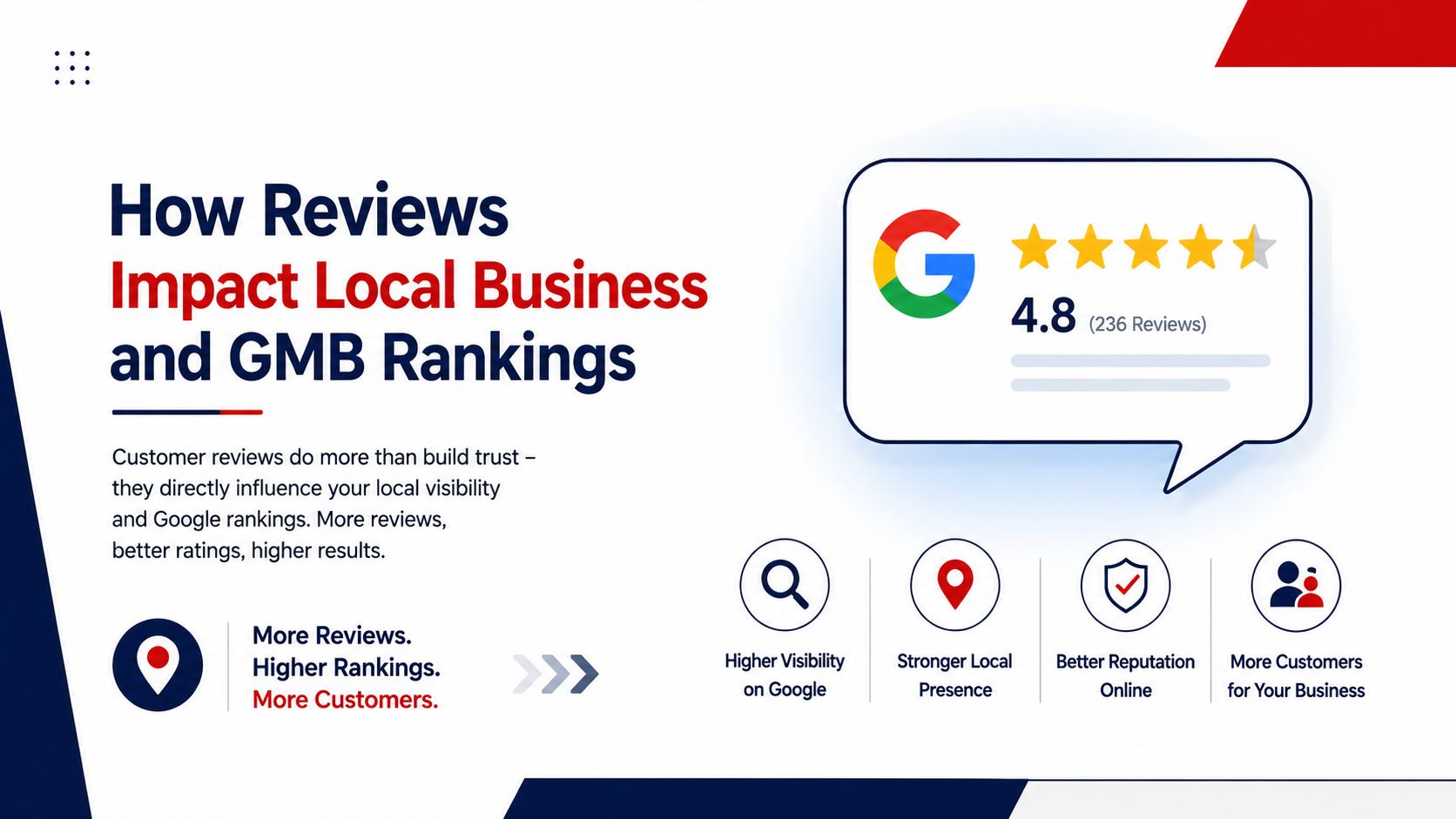
- Collect genuine customer reviews: they improve local ranking signals and build the trust that turns searchers into visitors.
- Publish local content tied to your location and product category to capture location-based searches competitors aren't targeting.
Retailers running both an online store and a physical location tend to see the best results when they invest in both strategies at once, rather than treating one as an afterthought.
What SEO Mistakes Should Retail and E-commerce Businesses Avoid?
A handful of issues show up again and again, quietly holding performance back no matter how much effort goes elsewhere:
- Duplicate product descriptions: Copying manufacturer content straight onto your pages creates duplicate content that Google largely ignores.
- Ignoring category pages: These often carry the highest commercial search potential, yet get the least attention.
- Thin product content: Pages with minimal text give Google very little to work with and give customers very little reason to buy.
- A slow mobile experience: Slow pages on mobile push up bounce rates and directly hurt rankings.
- No structured data: Skipping product schema means missing out on rich result opportunities in search.
- Chasing only high-volume keywords: Highly competitive terms take longer to rank for and often convert worse than specific, long-tail searches.
- Not tracking organic conversions: Traffic without conversion tracking doesn't tell you what's actually working.
How Can SEO Help Quebec Retail and E-commerce Businesses Specifically?
Quebec is an opportunity a lot of national retailers overlook entirely. Shoppers across Montréal, Québec City, Sherbrooke, Lévis, and the surrounding communities search in both French and English, often switching depending on context and personal preference.
An ecommerce SEO Canada agency that understands bilingual search behaviour builds strategies that capture both audiences, instead of defaulting to English-only optimisation and hoping for the best. In practice, that means French-language product pages, bilingual content where it makes sense, and local landing pages built around the specific markets being served.
Businesses willing to invest in that kind of targeted approach reach customers that competitors running a one-size-fits-all national strategy consistently miss.
How Long Does Ecommerce SEO Canada Take to Show Results?
This is one of the most common questions, and the honest answer depends on competition level. Initial movement on lower-competition, long-tail terms can show up within three to six months. More competitive product categories and broader keyword targets typically take six to twelve months before meaningful organic traffic growth becomes visible.
That timeline isn't a flaw in the strategy; it reflects how search engines build trust in a site over time. Steady, consistent improvement tends to outperform short bursts of activity followed by long gaps.
Is SEO Worth It for Small E-commerce Businesses?
Small retailers don't need to compete on every front at once. A focused approach tends to deliver better results faster than trying to rank for every product category from day one:
- Start with your highest-margin or best-selling products and optimise those pages first.
- Target long-tail keywords where competition is lower and purchase intent is higher.
- Write genuinely useful content around your products instead of thin descriptions copied from suppliers.
- Fix existing product pages before building new ones.
- Track which search terms are actually driving conversions, not just clicks.
For SEO aimed at small e-commerce businesses, consistency over time matters more than budget size. Businesses that improve their pages steadily and publish genuinely useful content tend to compound those gains month after month — and this is exactly where ecommerce SEO Canada specialists tend to add the most value, since they know which fixes will move the needle first.
Why Work With Professional Retail SEO Services Canada Businesses Trust?
Building an SEO-friendly e-commerce site from the ground up; clean architecture, mobile-first design, fast load times, search-friendly URLs, and proper conversion tracking; takes more coordinated effort than most in-house teams have time for alongside daily operations.
That's where working with experienced retail SEO services Canada teams pays off. The right partner builds a strategy around your specific products, customers, and markets rather than applying a generic template, covering everything from technical SEO and content strategy to local optimisation for physical locations.
If your business is ready to turn search visibility into consistent, measurable revenue, a focused ecommerce SEO Canada strategy; built for your products and your market, is where that growth starts.
Related post