Digital Marketing Strategies for Local Businesses in Canada
Running a local business in Canada is not what it was ten years ago. Customers are not flipping through the Yellow Pages or driving around looking for a sign. They are pulling out their phone, typing something into Google, and walking into whoever shows up first. If that is not you, it is your competitor.
That is exactly why digital marketing for local business has gone from a "nice to have" to a genuine survival strategy. And here's the thing; you do not need a massive budget or a big marketing team to make it work. What you need is a clear plan and the discipline to stick with it. Whether you are running a plumbing company in Calgary, a café in Montreal, or a physiotherapy clinic in Halifax, this guide covers what actually moves the needle in 2026.
1. Sort Out Your Google Business Profile Before Anything Else
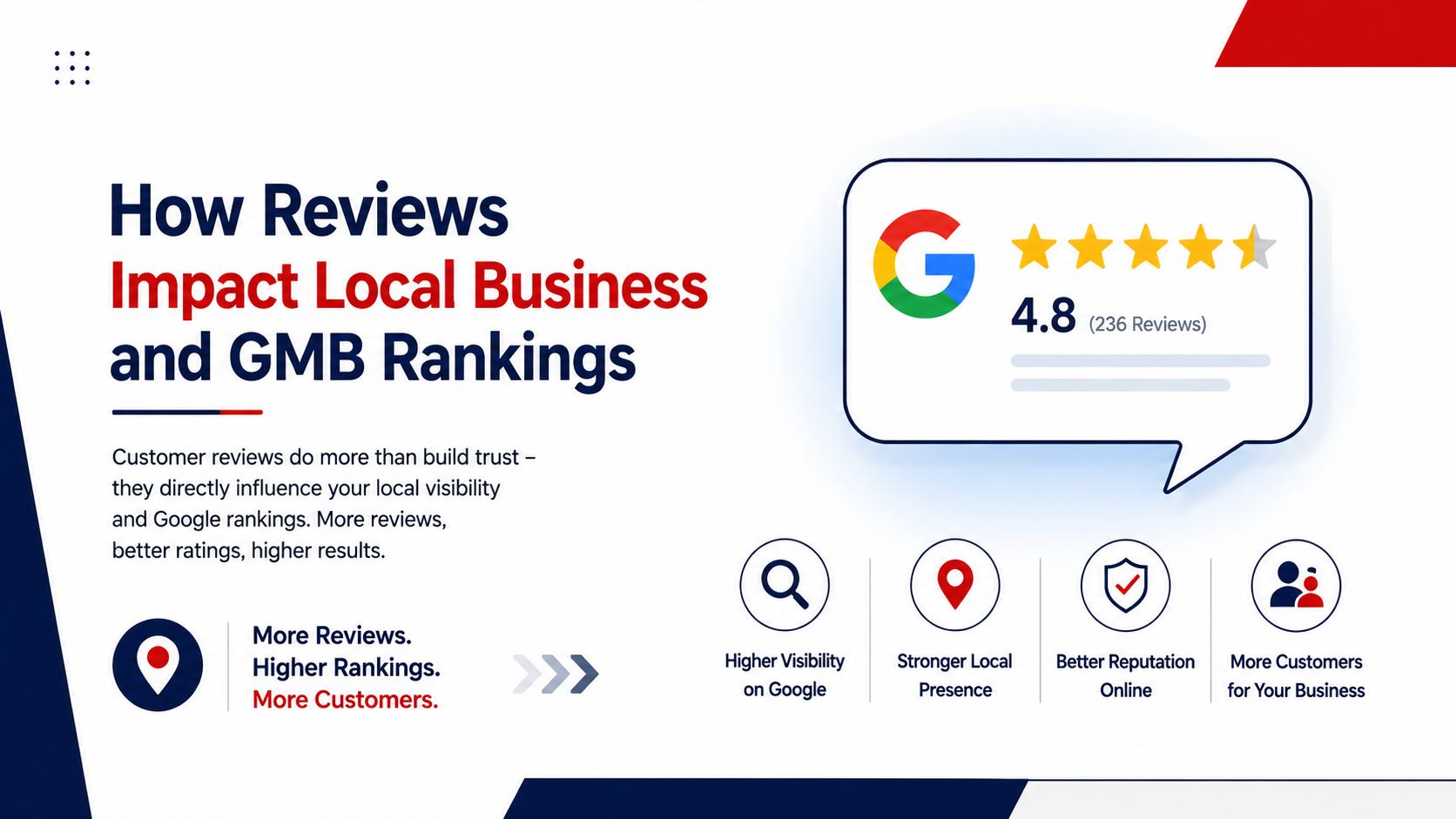
If you skip everything else in this article and just do this one thing well, you will already be ahead of most local businesses in Canada. Your Google Business Profile (GBP) is what puts you on the map - literally. It is how you show up in those top three local results when someone searches "electrician near me" or "best Thai food in Ottawa."
Fill everything out completely. Your hours, your phone number, your services, your photos; all of it. Upload real photos of your shop, your team, your work. Respond to your reviews, even the bad ones. Post updates at least twice a month. It sounds simple because it is, but most businesses either never claim their profile or leave it half-finished and wonder why nobody calls.
A complete GBP is the foundation of every smart digital marketing strategy for local business. Do not skip it.
2. Local SEO: Show Up When Your Neighbours Are Searching
National SEO is brutal. But local SEO? That is a different game entirely, and it heavily favours small businesses that put in the work. You are not trying to outrank Amazon; you are trying to outrank the two or three competitors in your city who offer the same service.
The basics are straightforward. Put your city name and service into your page titles "Roof Repair Services in Edmonton, AB" beats "Roof Repair Services" every time. Make sure your name, address, and phone number are identical everywhere online; your website, Yelp, YellowPages.ca, Canada411.ca, BBB Canada. Even a small inconsistency like "Ave" versus "Avenue" can quietly hurt your rankings.
Write content that speaks to your local audience. If you are a roofer in Saskatchewan, write about what freeze-thaw cycles do to shingles. If you are a landscaper in Vancouver, write about what thrives in the Pacific Northwest. Local content signals to Google that you are genuinely relevant to that area; and it actually helps real people too. This is the kind of work that makes digital marketing for local business compound over time without you paying for every click.
3. Paid Ads: For When You Need Leads Now, Not Six Months From Now
SEO takes time. If your phone needs to ring next week, paid advertising is what gets it there. Google Local Services Ads (LSAs) are particularly strong for service businesses; plumbers, lawyers, cleaners, contractors. You show up above everything else in search results, and you only pay when someone actually contacts you. Plus the "Google Guaranteed" badge does a lot of the trust-building for you.
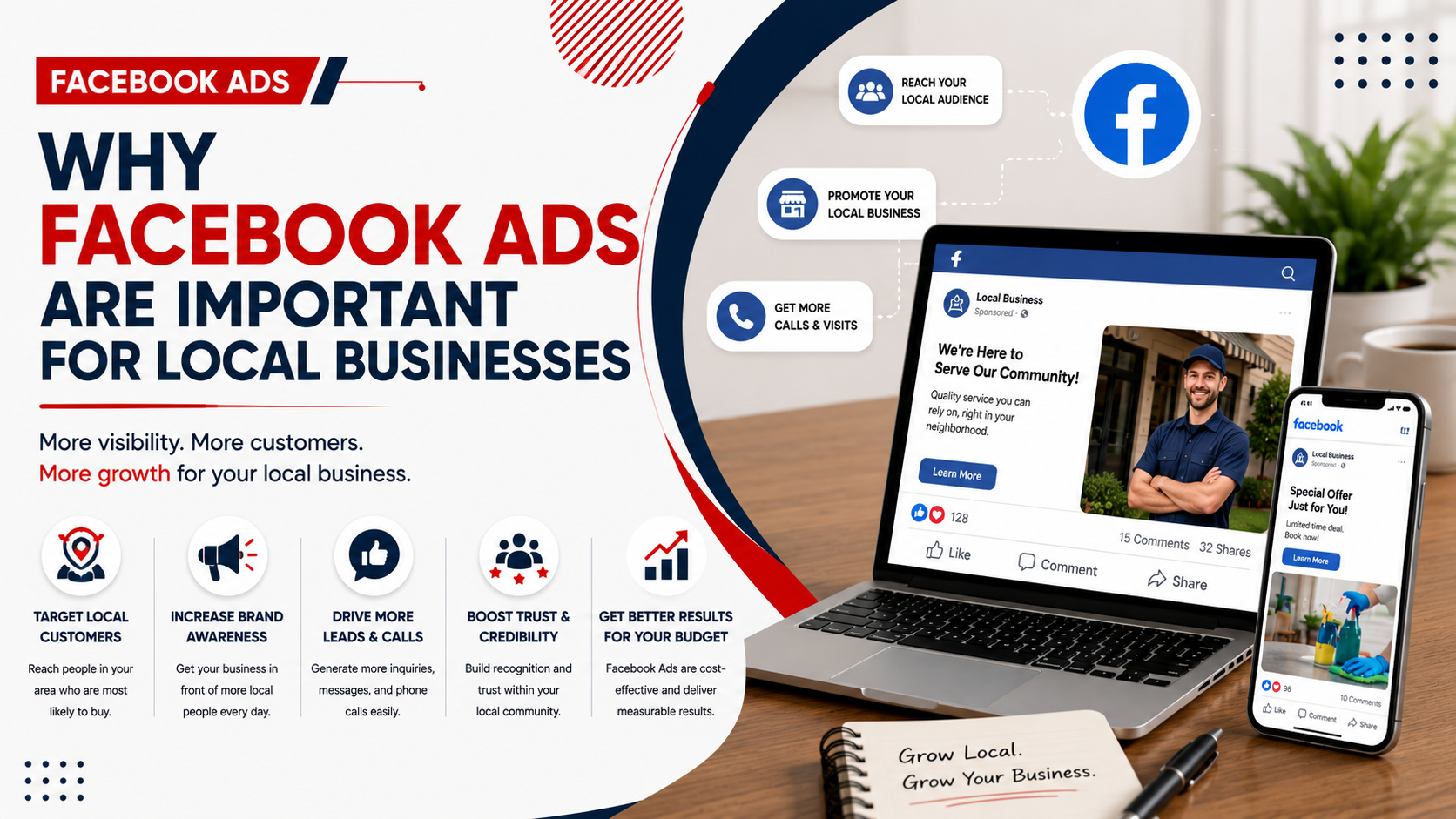
Facebook and Instagram Ads work well too, especially for reaching people in a specific neighbourhood or postal code. You can target by age, interests, and even life events; people who just moved, recently had a baby, or bought a home. A budget of $400–$600 CAD a month, managed properly, can generate a meaningful pipeline for most local businesses. These are core digital marketing solutions for small businesses that deliver fast, trackable results.
4. Email Marketing: The Channel Most Local Businesses Ignore
Ask most local business owners what their email strategy is and you will get a blank stare. That is actually good news for you; because email marketing has one of the highest returns of any channel, and almost nobody at the local level is using it properly.
Start building your list now. Offer something worth signing up for; a discount, a free guide, early access to promotions. Then actually use the list. Send a monthly newsletter, share a seasonal offer, follow up after a job is done and ask for a Google review. Keep it short and conversational; write like you talk, not like a press release.
One important note for Canadian businesses: CASL (Canada's Anti-Spam Legislation) requires that people have consented to receive your emails. Make sure you are collecting that consent properly, or you could face some serious fines.
5. Social Media: Stop Talking At People and Start Talking To Them
Here is where most local businesses go wrong on social media; they treat it like a billboard. They post a sale, a sale, another sale, and then wonder why engagement is dead. People do not follow businesses to be advertised at. They follow businesses they find interesting, helpful, or relatable.
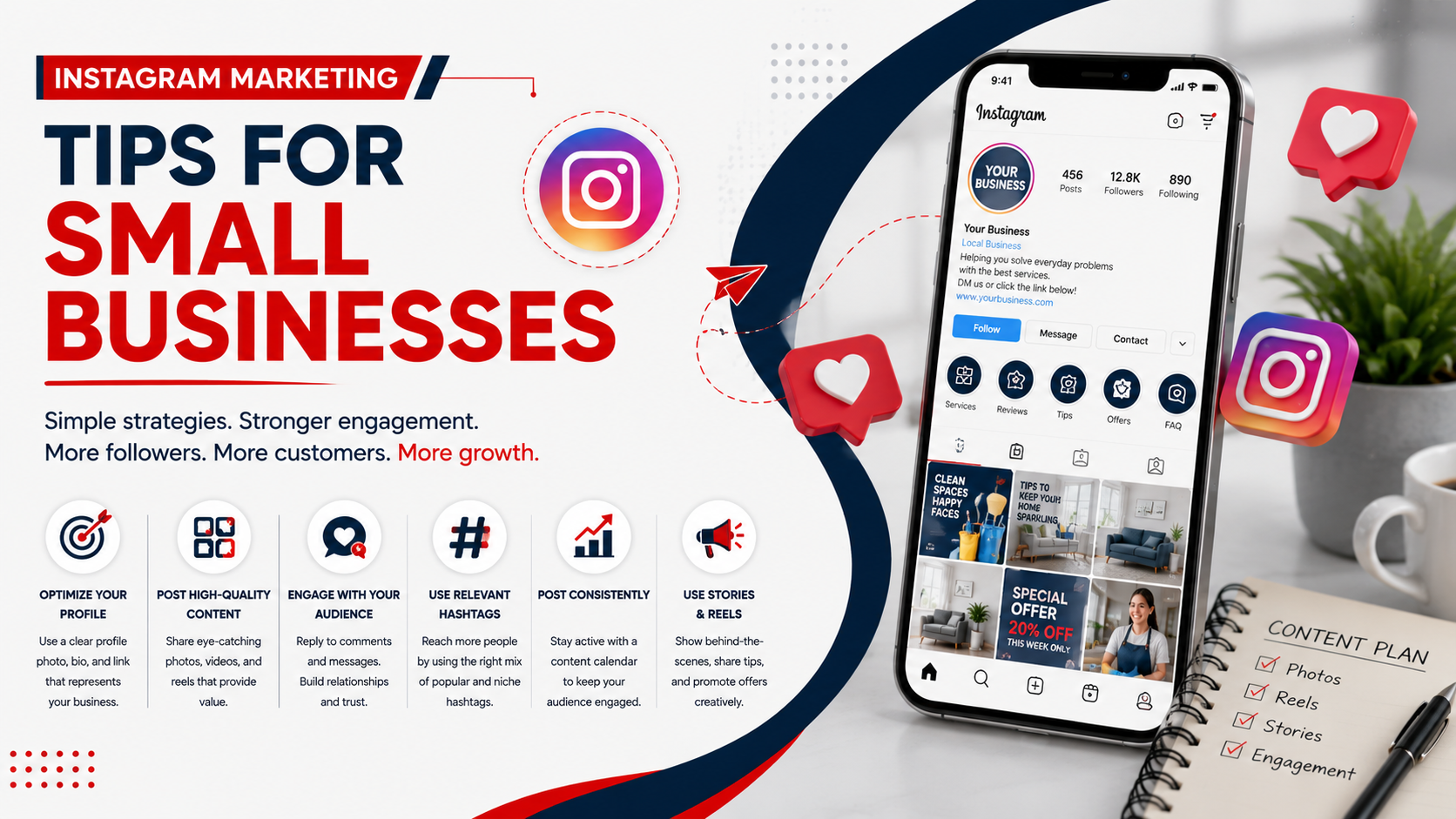
Show your team. Show the behind-the-scenes of how you work. Answer questions people actually have. Share something funny that happened at the shop this week. These are the local business marketing strategies that build real loyalty, not just followers. Short-form video — Reels, TikToks, YouTube Shorts; is getting the most organic reach on every platform right now, and you do not need a studio to make it work. A decent phone and something genuine to say is enough.
Conclusion
None of this is magic. Digital marketing for local business works because it puts you in front of the right people at the right moment; and if you do it consistently, the results stack up over time. Start with your Google Business Profile. Build out your local SEO. Run a small paid campaign to get leads moving. Grow your email list. Show up on social in a way that actually sounds like a real person.
If you hit a wall; whether it is time, expertise, or bandwidth; working with local digital marketing experts or a solid digital marketing agency in Canada that actually knows the Canadian market can be a smart move. Just make sure they can show you real results, not just a slick pitch deck.
The businesses doing digital marketing for local business well right now are not the biggest ones. They are the most consistent ones. Be that business.
Frequently Asked Questions
Q1. What is the most important first step in digital marketing for local business owners?
Your Google Business Profile; full stop. It is free, it is fast to set up, and it directly affects whether you show up when local customers are searching. Most businesses either have not claimed it or have left it incomplete. Fix that first.
Q2. How much should a Canadian small business budget for digital marketing?
It really depends on the business and the market, but a reasonable starting range for digital marketing for small business in Canada is $500–$1,500 CAD per month. That covers a modest paid ad campaign, basic SEO tools, and email software.
Q3. How long does it take to see real results?
Paid ads can start generating leads within a few days. Google Business Profile improvements tend to show up within four to eight weeks. SEO is more of a slow burn; expect three to six months before you see meaningful organic traffic growth, but it keeps building after that.
Q4. Is digital marketing in Canada different from other countries?
In a few important ways, yes. Digital marketing in Canada means you need to follow CASL for email, handle French-language requirements if you operate in Quebec, and build citations in Canadian directories that simply do not exist on US or UK-focused marketing checklists.
Q5. When does it make sense to hire a digital marketing agency for small businesses?
When marketing is eating up more than half your week and you are still not seeing results, it is time to bring in help. A good digital marketing agency for small businesses will more than cover their fees through the leads and revenue they generate.
Q6. What digital marketing trends matter most for local businesses in 2026?
Short-form video is dominating organic reach on every platform. AI tools are making ad optimization faster and smarter. And with cookie tracking continuing to fade, building your own email list and customer database; your first-party data, is more valuable than ever. These are the digital marketing trends 2026 that local businesses should be paying attention to right now.
Related post