Digital Marketing Checklists for Small Businesses in Canada
Digital marketing is a method of promoting brands, products, or services using online platforms to reach the target audience. These online platforms include social media sites (Facebook, Instagram, YouTube, etc.), forums, promotional sites, and many other modes.
Now, imagine you launching your small business with a dream. But now customers struggle to find you online. Small businesses in Canada face sharp market pressure across every major industry today.
Digital marketing changes that. It puts your business right in front of people who need your products or services. For Canadian small businesses, the numbers speak loudly. That gap costs real money.
This blog gives you a complete digital marketing checklist for small business owners across Canada. You get 15 actionable steps that help drive results.
Note: The list is prepared after deep research by digital marketing experts, taking impact of digital marketing for small businesses in Canada.
What Is Digital Marketing?
Digital marketing means promoting your business through online channels. You will be able to reach your clients wherever they happen to be spending their time, that is, using their smartphones and computers.
Some examples of these platforms would be Google Analytics, Facebook Business Manager, various email management services, such as Mailchimp, as well as SEO platforms, for instance SEMrush. You can use these tools to monitor your website traffic, generate sales leads, and optimize your online marketing efforts.
Now, let’s proceed further and create a local business marketing checklist for Canadian business owners.
15 digital marketing checklist for small businesses
1. Claim and Optimize Your Google Business Profile
Your Google Business Profile acts as your online storefront. So, the very first step is to claim it first. Now include precise timings, contact number, and physical address. Upload a minimum of five good pictures of your place/products.
Important activities for optimizing Google Business Profile:
- Authenticate your listing with Google through the postcard or telephone verification process
- Choose proper business categories
- Address all customer reviews, whether they’re positive or negative
- Update your business on a weekly basis with information about offers or events
An optimized profile receives 7 times higher click-through rates than an unoptimized one.
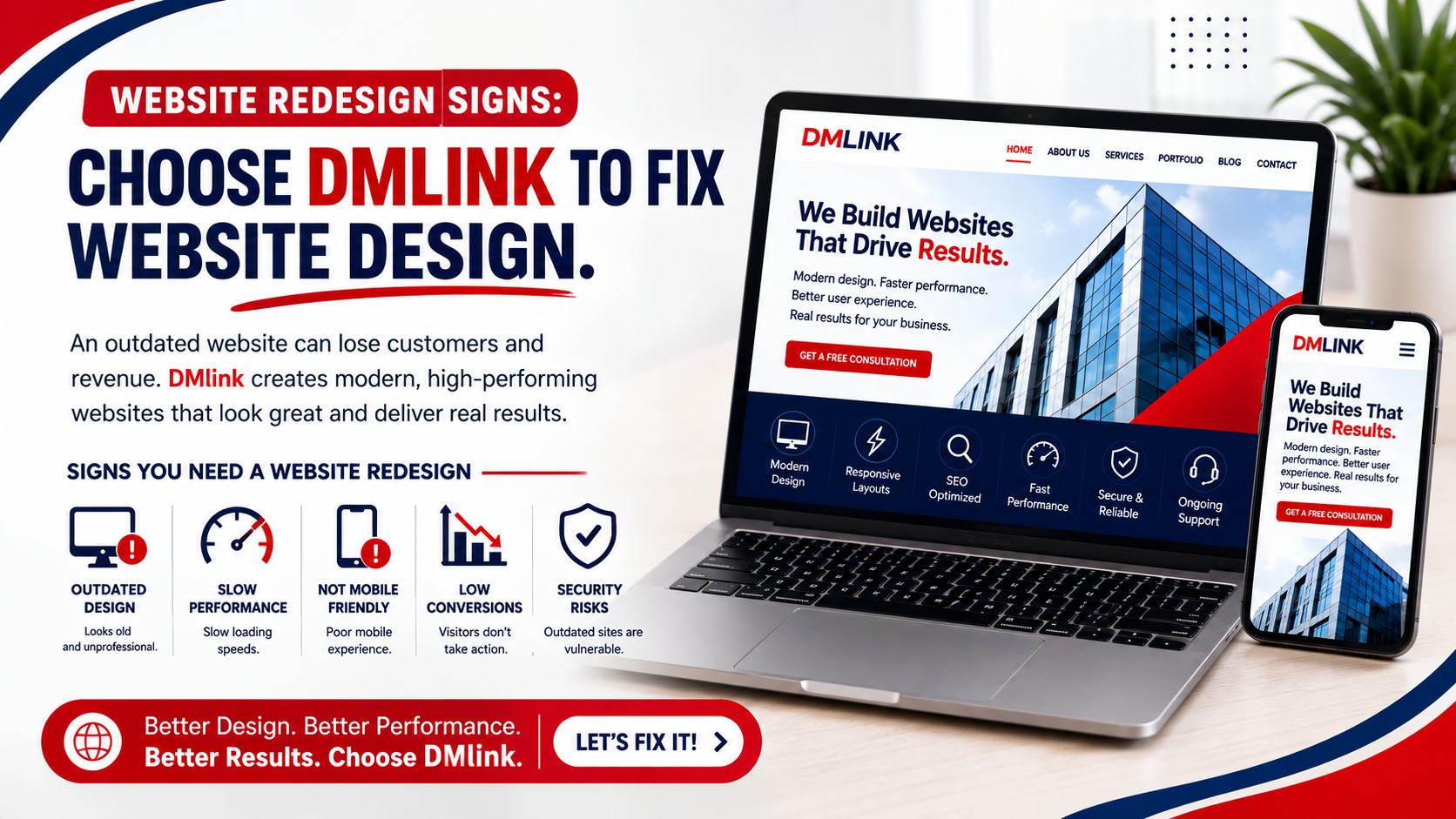
2. Build a Mobile-Friendly Website
Most Canadians surf via their smartphones. The pages of your site should open quickly and have good display quality on the mobile platform. This is where you need Google Business Profile optimization. You can use the mobile-friendly checker of Google to test the compatibility of your site.
Small business websites should have an easy-to-navigate site structure. Put your contact number prominently on the site. Make your contact form short. Remove pop-ups that frustrate visitors.
Slow websites lose 50% of mobile visitors. That means half your potential customers leave before seeing your offer.
3. Define Your Target Audience Clearly
You cannot market to everyone. Identify one particular customer segment.
For example, a bakery in Toronto can focus on working parents around Yonge Street. A Vancouver plumber might focus on condo owners.
Who needs my service most?
What problem do I solve?
Where do these people live in Canada?
List the characteristics of your ideal customer, such as his or her age group, location, income level, and web behavior.
4. Set Measurable Marketing Goals
Vague goals produce vague results. Do not say "get more customers." Say "acquire 20 new clients per month from Instagram."
Goals should be SMART:
- Specific: increase website traffic from Ontario
- Measurable: measure with Google Analytics
- Achievable: 15%, not 200%
- Relevant: leads who actually buy your service
- Time-bound: achieve within 90 days
Small business goals that are written down grow at 30% faster pace than those that don’t have any goals written down.
5. Conduct Keyword Research on Your Niche
A keyword is something that people search for on Google. Find out keywords for your target market. A Calgary roofing company might target "leaky roof repair NW Calgary."
Some tools you could use include Google Keyword Planner or Ubersuggest. Both of these tools are free and can be used for your keyword research.
A good example of marketing activities is city-based keywords.
6. Create a Content Calendar
Posting randomly does not work. So, it's important to plan your content 30 days ahead. A content calendar keeps you consistent without daily panic.
Plan your blog posts, social media, and e-mail marketing newsletters. Allow room for posts regarding the local weather.
Consistent businesses earn 4 times more engagement than random posters. Your audience starts expecting your content.
7. Optimize Your Website for Local SEO
Local SEO makes your customers find your business in the vicinity. Use your location and your province in your page title, header, and meta description tags. Have a unique page created for each of your service areas.
What the Local SEO checklist Canada must cover is setting up local backlinks. Work together with nearby chambers of commerce or community organizations that will place links to your website on their sites.
As much as 63% of mobile searches for local businesses turn into actions such as a visit or phone call within an hour after the search.
8. Google Analytics and Search Console Setup
These powerful tools are provided by Google absolutely free of charge and give all information about how successful you are online.
Install the tracking codes on your website. Check reports weekly. Look for sudden traffic drops or high bounce rates.
Businesses using analytics improve their ROI by 20% within six months. Numbers do not lie.
9. Develop a Social Media Marketing Plan
Pick one or two platforms where your customers actually hang out. A construction company belongs on LinkedIn and Facebook. A boutique might thrive on Instagram and Pinterest.
Social media marketing for small businesses works best with a consistent posting schedule. Share behind-the-scenes photos. Answer customer questions publicly. Run polls about new products.
Do not spread yourself thin across every platform.
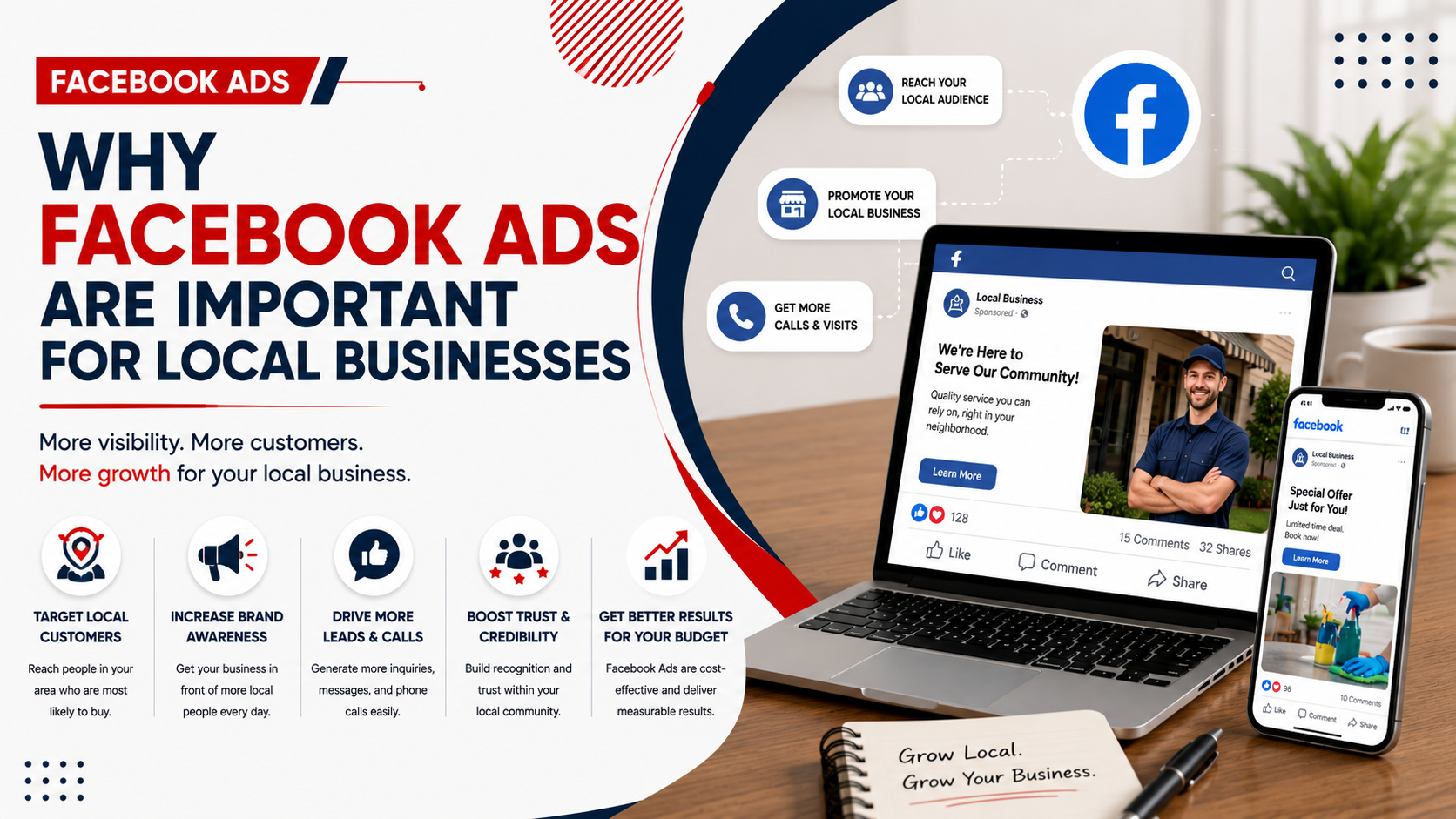
10. Launch Targeted Paid Advertising Campaigns
Organic reach requires time and advertising provides instant returns. Start with $10 per day using Google Ads or Meta Ads.
Use geo-targeting and demographics like age and interests to direct your ads. You can target those in Winnipeg looking for “anniversary flowers Winnipeg” within a 10-kilometre radius.
For lead generation for local businesses, retargeting will make a huge difference. Show your ad to someone that already visited your website. They require 3 to 5 touches to buy from you.
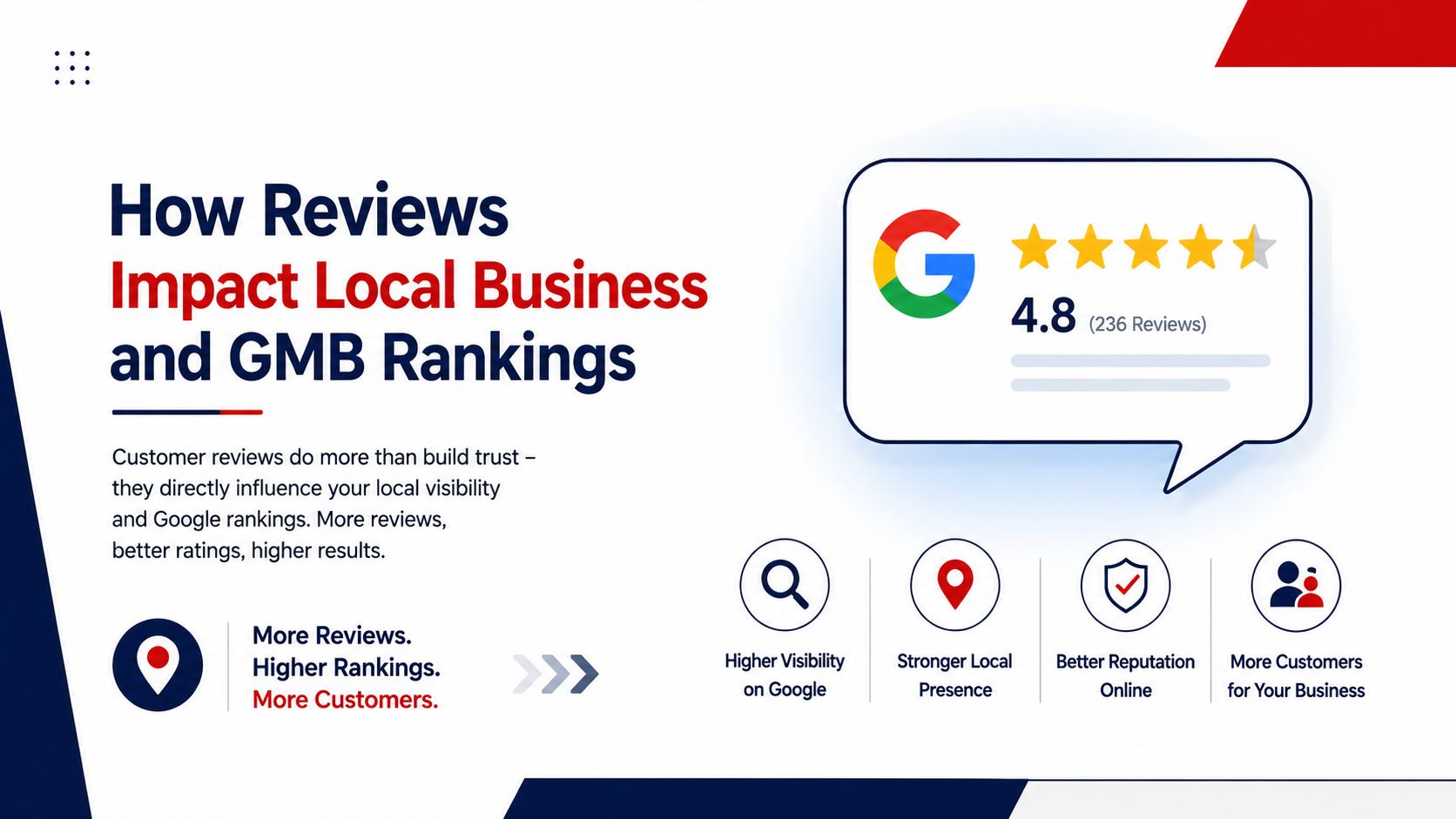
11. Collect and Showcase Customer Reviews
Online reviews are taken as seriously as word of mouth. Ask each of your satisfied customers to leave a Google review. Make it easier by giving them a direct link.
Respond to every review within two days. Thank positive reviewers and take action on negative ones professionally.
Companies that have posted at least 50 reviews receive 40% more clicks than companies that haven’t done so.
12. Build an Email List from Day One
Email marketing delivers the highest ROI of any channel. Create an email signup box on your site that is straightforward and simple to fill out. Create an incentive that motivates someone to sign up by giving them something in return. Send out one useful email every week. Share tips, special offers, or company news.
Tip: Do not spam daily.
13. Track Your Lead Sources Religiously
You need to know where your best customers come from. Use call tracking numbers for different campaigns. Build distinctive landing pages for each marketing channel.
Digital marketing for SMBs needs continuous monitoring. Don’t waste your resources on those marketing channels that yield no return. Focus on the successful ones.
14. Revive Old Pages and Purge Non-Performers
Old pages tend to lie dormant. Update them with the latest stats and promotions. Get rid of any page that receives no traffic for six months continuously. Check your website for broken links and outdated information. Fix them immediately. Broken links hurt your credibility and your search rankings.
Refreshed content performs like new content without the extra writing work.
15. Schedule a Quarterly Marketing Audit
If you change your business, the market and target audience change. Every three months, review your entire digital marketing checklist for a small business.
Ask yourself key questions: Which campaigns made money? Where did we waste time? What new tools should we try?
Block two hours on your calendar for this audit. Treat it as seriously as a financial review.
How DMlink Helps Small Businesses in Canada
You have a complete checklist now. But checking items takes time you do not have. That is where DMlink enters the picture.
DMlink provides digital marketing agency in Canada services built specifically for small business owners. We are responsible for optimizing your Google Business Profile, designing your website, conducting local SEO, and managing your lead generation campaigns. The DMlink team will complete each item on this list for you.
What is offered by DMlink:
- Full optimization of your Google Business Profile
- Mobile-friendly website design for small businesses to turn visitors into callers
- Local SEO campaigns for your specified city in Canada
- Social media marketing campaigns for Facebook, Instagram, and LinkedIn
- Transparent monthly reports with Return on Investment figures
You just have to run your business. We focus on bringing customers through your door. Our clients see an average of 150% return on their marketing spend within the first 90 days.
Stop guessing at your digital marketing. Start seeing real results with DMlink. Contact our team today for a free consultation. We will review your current online presence and show you exactly what needs improvement.
Frequently Asked Questions
What is a digital marketing checklist for small businesses?
A digital marketing checklist contains detailed actions that need to be taken by a small business to attract customers online. These steps may include creating a Google My Business listing, optimizing website content, installing analytics tools, and implementing social media marketing campaigns. The use of the checklist will ensure you do not miss any important action.
What role does a digital marketing agency play in assisting small businesses?
A digital marketing agency in Canada will handle all online marketing activities on your behalf as you concentrate on running the business. In this case, the agency will perform SEO activities, manage pay-per-click ads, conduct social media marketing, and implement email campaigns for the business.
What digital marketing services for local businesses really work?
Some of the most effective digital marketing services include SEO services, optimization of Google Business Profile, and Google Ads. These services will enable your local business in Canada to appear to people in the area who are searching for similar products or services.
When does digital marketing start showing results for small business owners?
Most small businesses will see their first results in 30 to 90 days. It takes search engine optimization about three to six months to take effect. Pay-per-click ads can drive leads in 24 hours. It is a simple case of consistency and compound results.
Why is it necessary to generate leads for small business online?
Lead generation helps in collecting contact details of prospective clients before making any sales. Generating leads through online means allows you to develop a pool of prospective customers. You can use emails and retargeted ads to nurture leads until they become your clients.
Related post